Research brief / 12 October 2026
The Longevity Stack
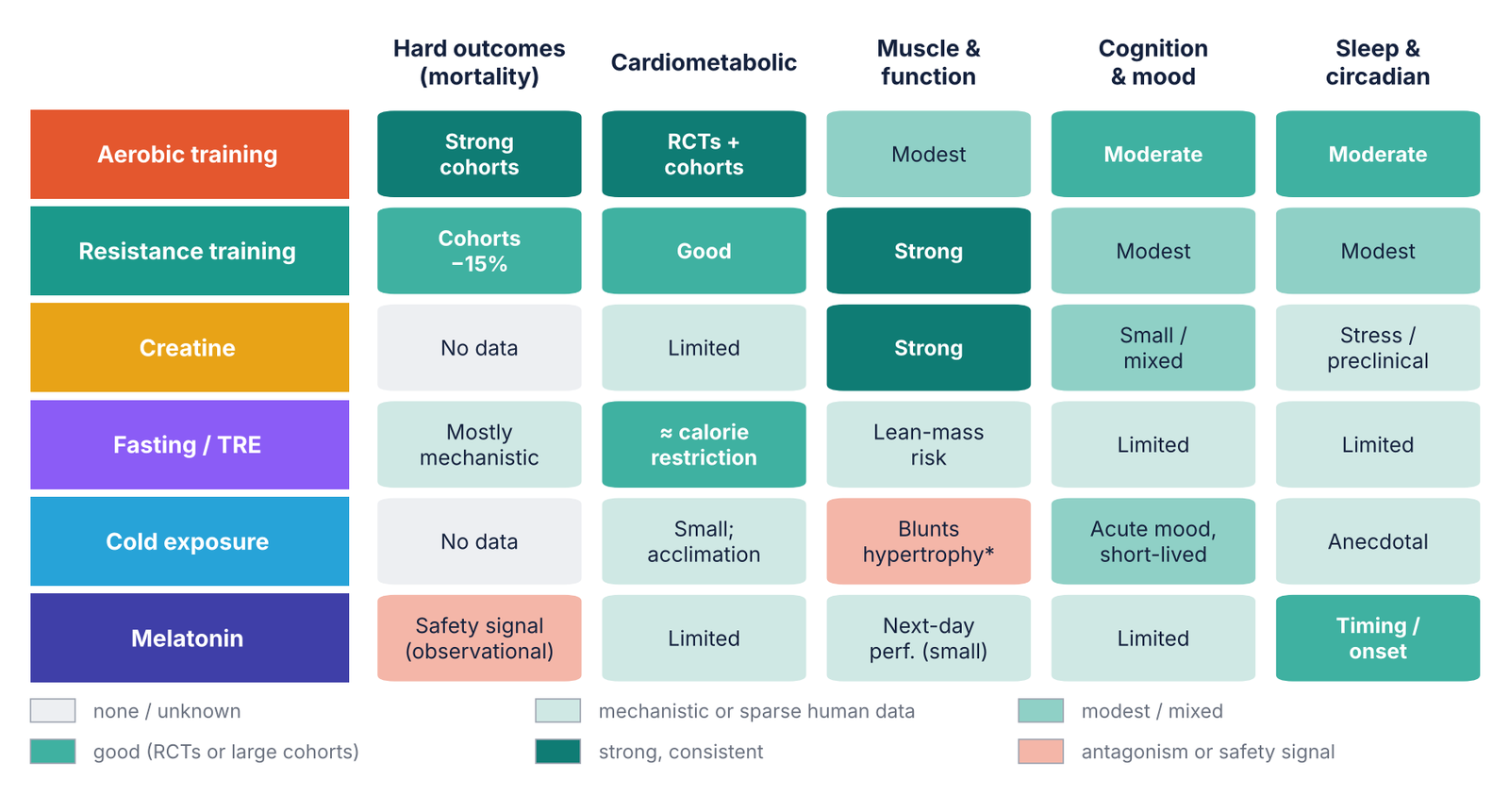
Creatine, cold exposure, fasting, aerobic training, resistance training and melatonin: what each does at the level of mechanism, how good the human evidence is, and what I think they might do together. Two of the six carry nearly all the hard-outcome evidence. The other four are modulators, and the interactions between them matter as much as the effects.
Five things worth knowing
- Aerobic fitness and resistance training are the foundation. Cardiorespiratory fitness has the steepest and most consistent mortality gradient in preventive medicine, with no observed ceiling.[1,2] Any resistance training is associated with roughly 15% lower all-cause mortality, most of it at 30 to 60 minutes a week.[3,4]
- Creatine is the best-evidenced supplement here, mostly for muscle. The brain effects are real at the level of phosphocreatine, but cognitive benefits in healthy adults are modest and mixed. The clearest signal is under energetic stress such as sleep loss.[5–9]
- Cold and fasting are mostly metabolic and subjective stories. Cold gives a large, brief noradrenaline surge and small metabolic adaptations.[10,13,14] Time-restricted eating matches calorie restriction when calories are equated.[19–21]
- Melatonin is a clock signal, not a vitamin. It has a clear job (timing), a plausible secondary one (mitochondrial antioxidant at higher doses), and an unresolved long-term safety signal in observational data.[22]
- Sequencing is a bigger lever than adding a seventh intervention. Cold after lifting blunts hypertrophy,[12] and intensity, not fasting, drives the BDNF response.[18]
Section oneThe interventions converge on a few switches
Energy stress activates AMPK and, through PGC-1α, mitochondrial biogenesis. Mechanical loading activates mTORC1 for muscle protein synthesis. Exercise and fasting both produce metabolites (lactate, β-hydroxybutyrate) that signal to the brain. Cold recruits the noradrenergic system, and melatonin sets the timing of the whole sequence.
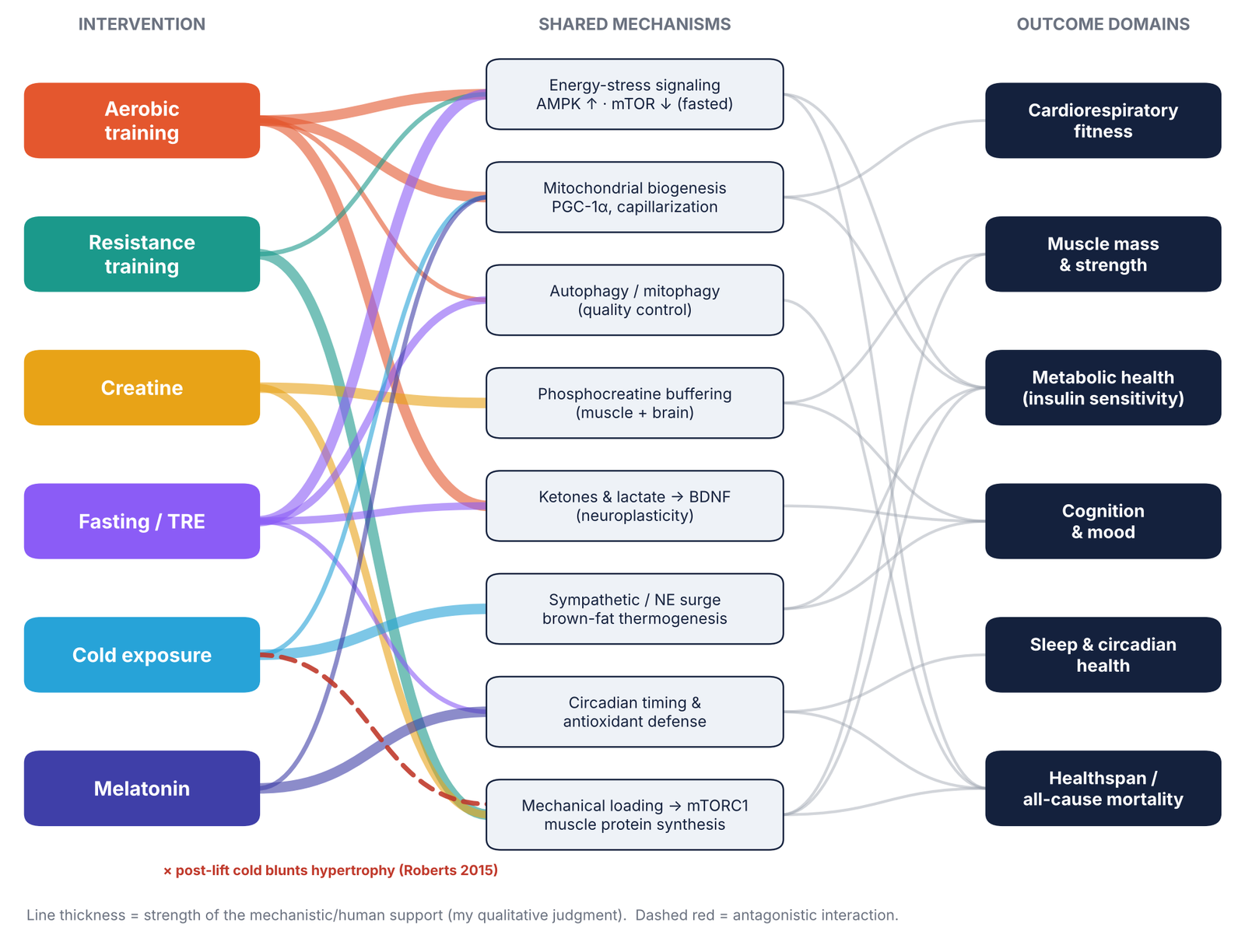
Convergence cuts both ways. Inputs to a saturating node such as AMPK and PGC-1α are likely to be sub-additive, so stacking several energy-stress signals will probably not multiply the benefit.
Section twoAerobic training: the strongest hard-outcome evidence
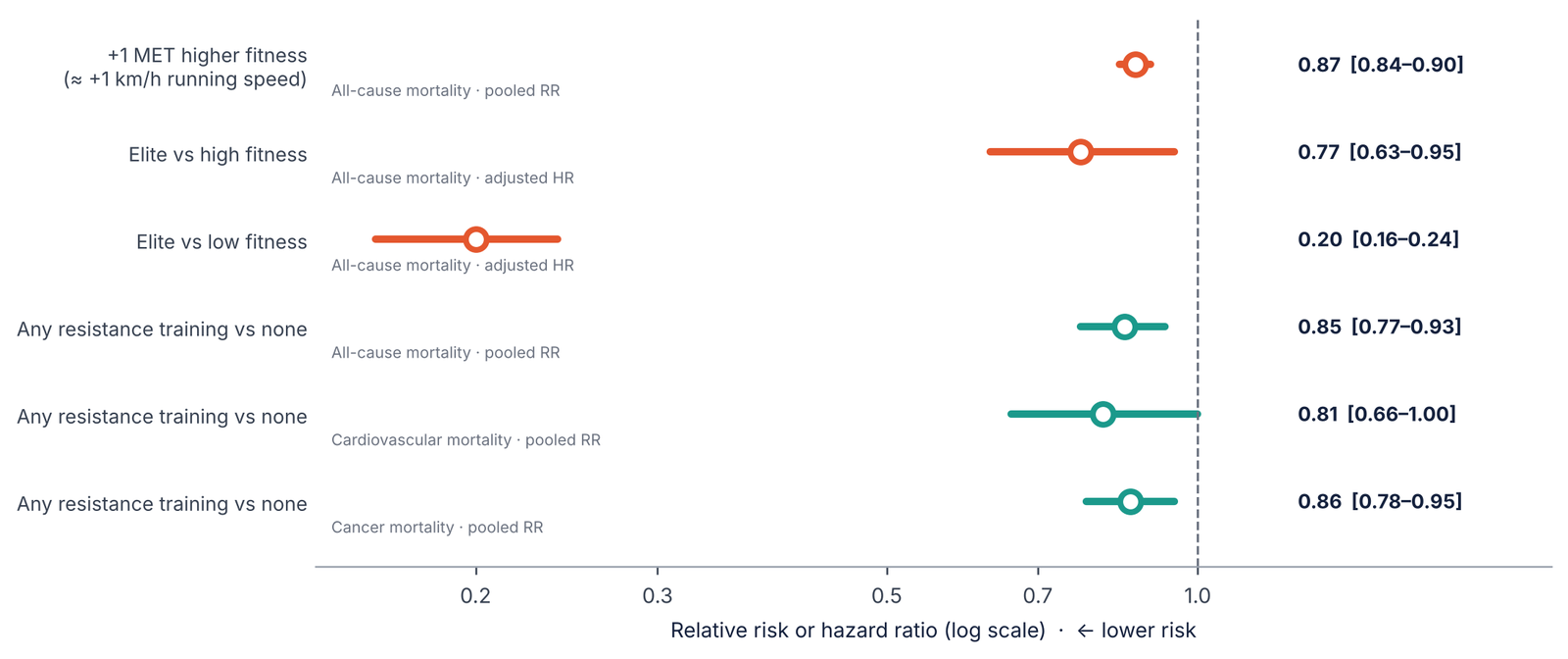
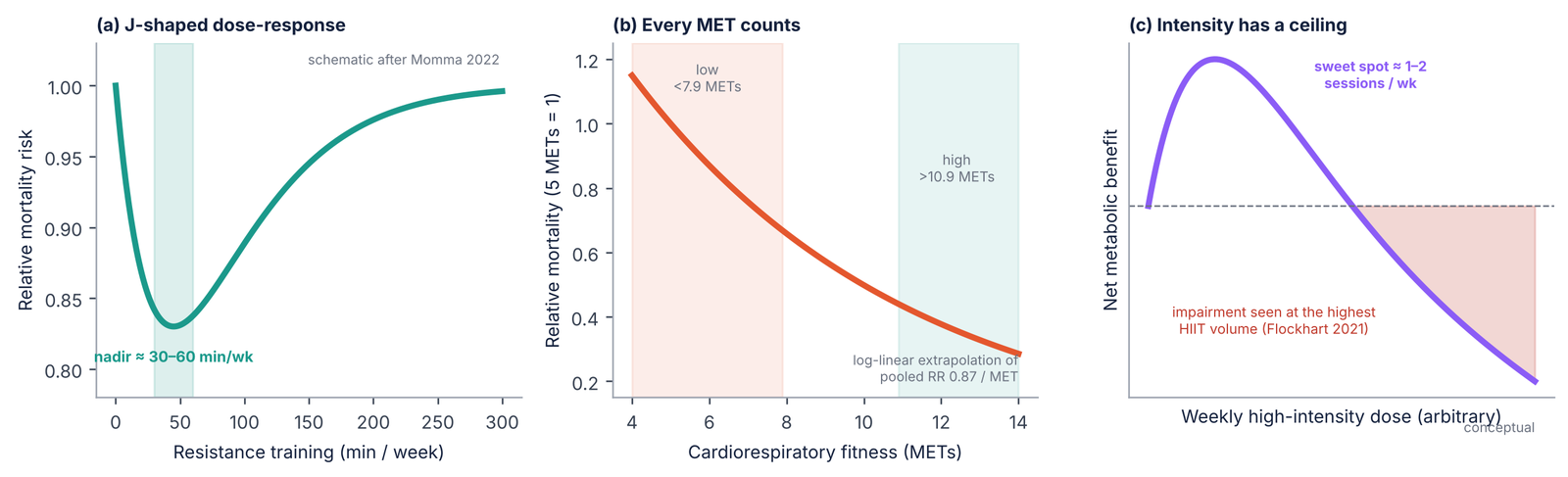
In 122,007 patients who had a treadmill test, mortality fell stepwise with fitness and showed no upper limit of benefit: adjusted HR 0.20 (0.16 to 0.24) for elite against low fitness.[1] Each additional MET was associated with 13% lower all-cause mortality in a meta-analysis of 33 studies.[2] The dose-response for intensity is an inverted U: at the highest weekly volume of HIIT, healthy volunteers showed impaired mitochondrial function and glucose tolerance.[30] That is the physiological logic of the polarized 80/20 pattern, mostly zone 2 with one or two hard sessions.
Section threeResistance training: small dose, large return
A systematic review found any resistance training was associated with 15% lower all-cause mortality (RR 0.85, 0.77 to 0.93).[3] A dose-response meta-analysis of 16 cohorts found a J-shaped relationship with the largest reduction at about 30 to 60 minutes a week, independent of aerobic activity.[4] All of this is observational, but the dose is small and the biological rationale strong, so I think the asymmetry favours doing it.
Section fourCreatine: an energy buffer, strongest for muscle
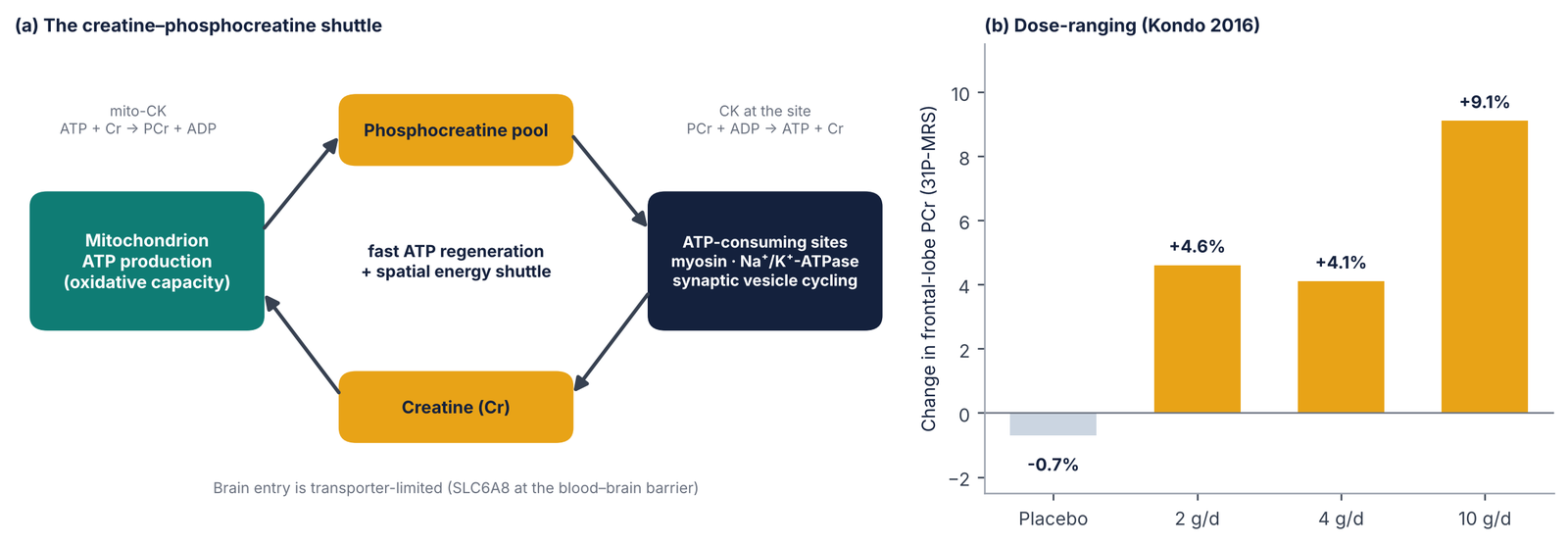
Phosphocreatine regenerates ATP in milliseconds and shuttles energy between mitochondria and the sites that spend it. The brain uses the same system, but uptake across the blood-brain barrier is transporter-limited, which caps how far oral supplementation can raise brain levels.[9] The clearest cognitive signal is under stress: a single high dose during a night of sleep deprivation protected brain PCr and improved processing speed.[8] In healthy adults the cognition literature is small effects of uncertain size.[7]
Section fiveFasting: richer mechanism than outcome data
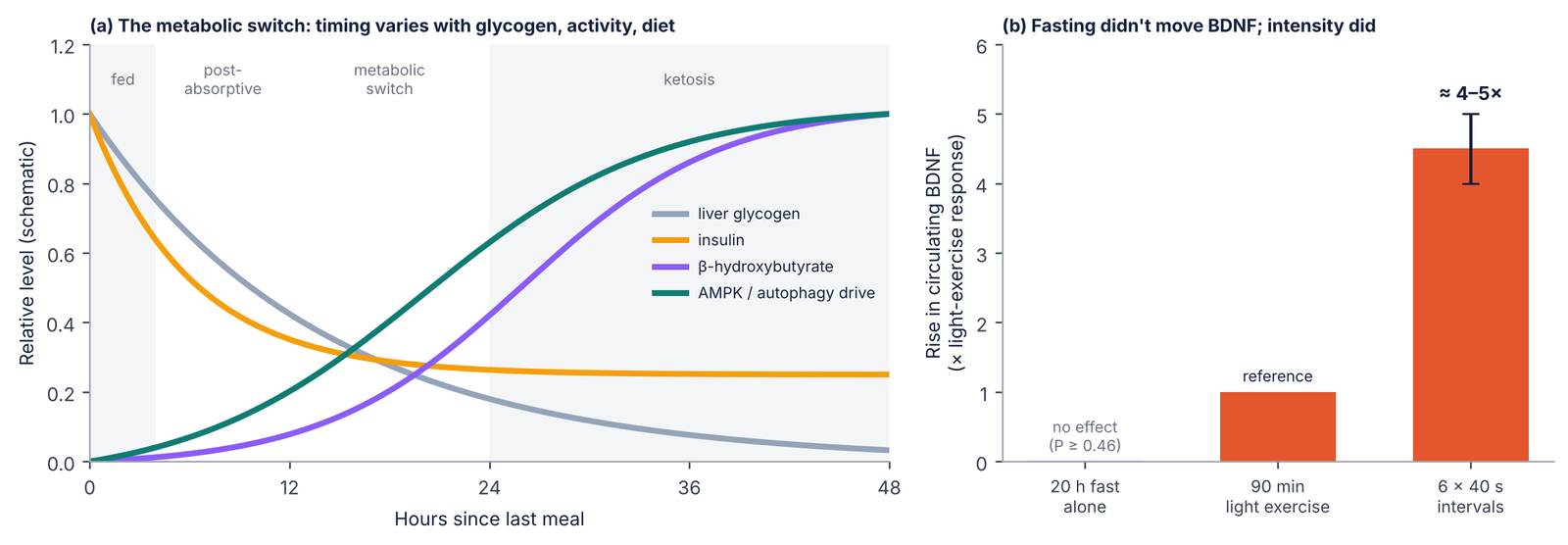
As feeding stops, insulin falls, glycogen is drawn down and ketones rise, lowering mTOR activity and activating AMPK and autophagy.[16] In human trials, though, time-restricted eating does no better than ordinary calorie restriction when calories are matched.[20,21] In one study, 20 hours of fasting did not change circulating BDNF, whereas six 40-second intervals raised it four to five times more than light exercise.[18]
Section sixCold exposure: a sympathetic jolt and a small adaptation
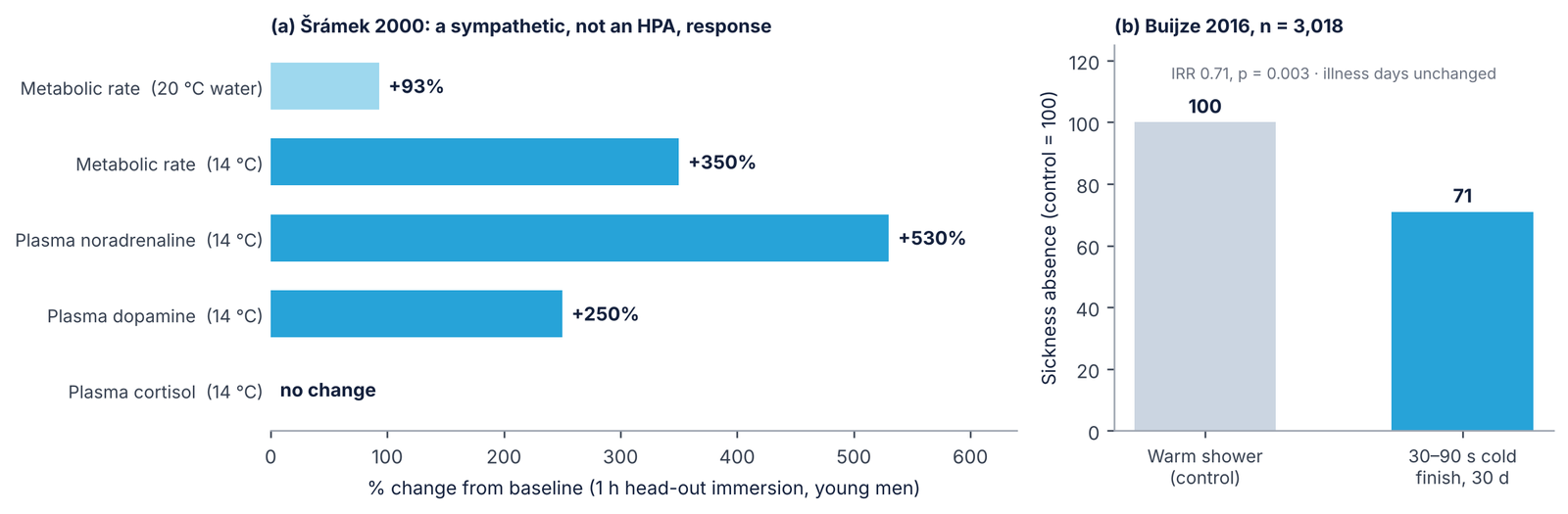
One hour of immersion at 14 °C raised metabolic rate by 350% and plasma noradrenaline by 530% without raising cortisol.[10] Those are peripheral plasma values, so claims about brain dopamine go beyond the data. In the only large randomized trial of cold showers, sickness absence fell 29% but illness days did not change.[11] Brown fat adds only about 1 to 5% of basal metabolic rate, so cold is not a weight-loss tool.[34] The one clear conflict in the stack is cold after lifting, which blunted muscle gain and anabolic signalling over 12 weeks.[12]
Section sevenMelatonin: a timing signal with an open safety question
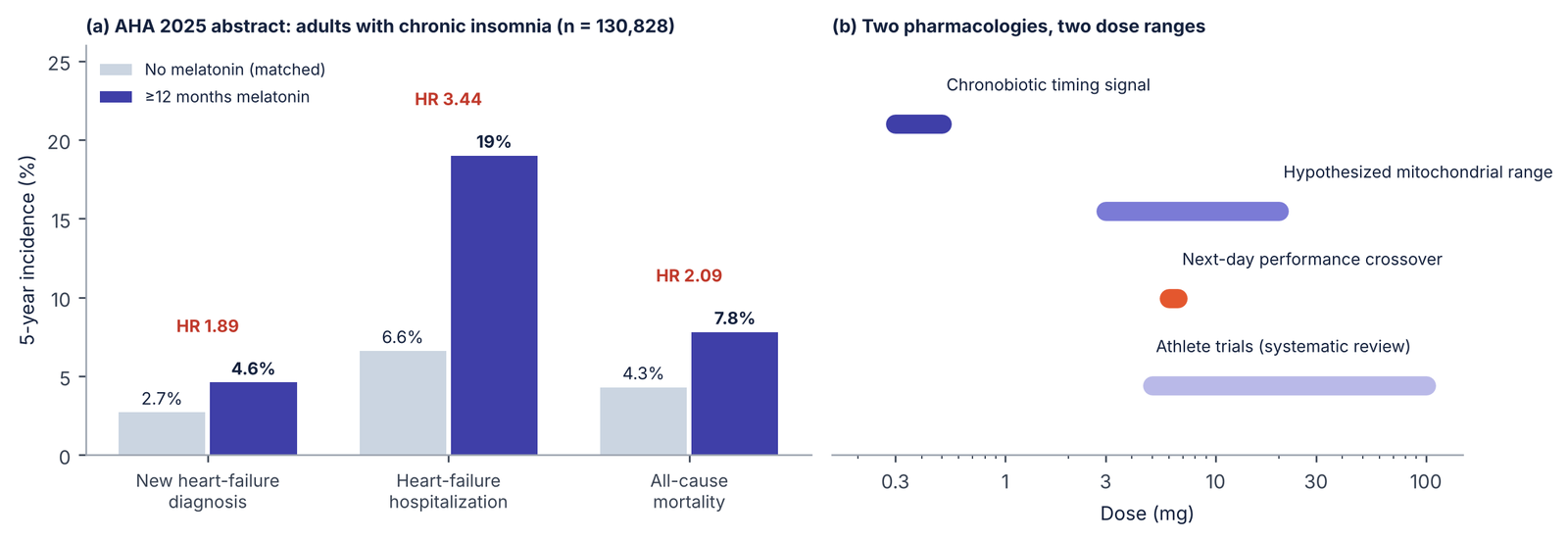
At low doses (about 0.3 to 0.5 mg) melatonin shifts circadian phase according to when it is taken. At higher doses it accumulates in mitochondria and acts as an antioxidant.[26] Those are different pharmacologies. A 2025 observational abstract reported that adults with insomnia who used melatonin for a year or more had higher five-year rates of heart failure (4.6% against 2.7%), heart-failure hospitalization and all-cause mortality.[22] The authors stressed it cannot show causation, and confounding by insomnia severity is likely. I treat it as a signal to track, not a verdict, and low-dose, well-timed use is the pattern that matches both the mechanism and the benign short-term record.
Section eightFifteen pairs, two synergies, one conflict
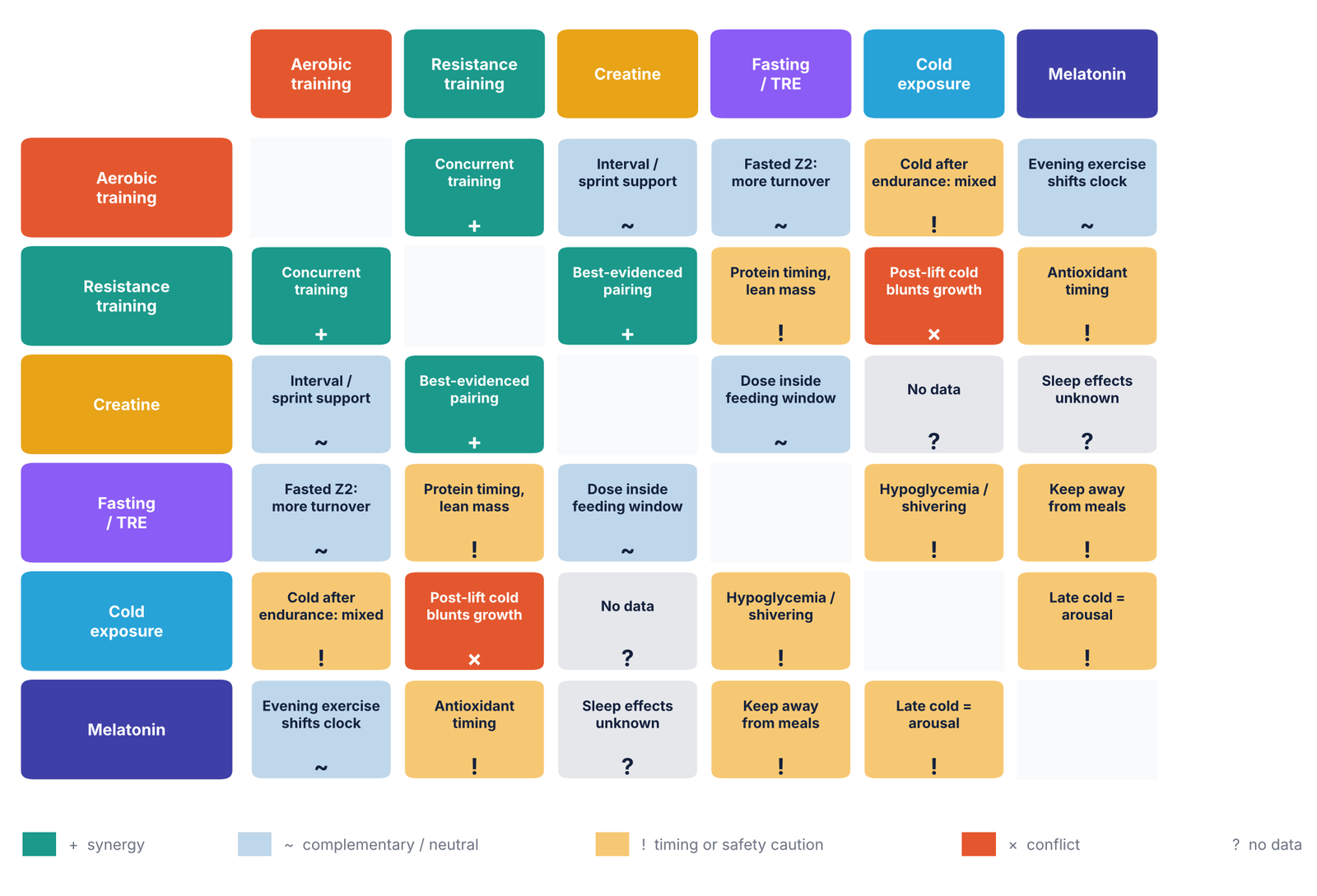
Only two pairings earn the word synergy on current evidence: aerobic with resistance, and resistance with creatine. One is a clear conflict, cold after lifting. Most of the rest are timing problems, which are solvable.
Section nineWhat might they do together?
A caution first
Hazard ratios do not multiply. The effects above come from different populations, outcomes and study types, so stacking them arithmetically would double-count shared pathways and confounding. Every hypothesis below is a testable guess, not a forecast, and the human evidence for each combination is low.
- H1. Foundation plus modulators. Aerobic fitness and muscle set the ceilings that dominate mortality data; the other four act on the approach to them. Someone who adds all four but under-trains the foundation should do worse than someone who trains well and adds none.
- H2. Pulsatile signalling. Fasting and zone 2 push toward AMPK and autophagy; feeding plus lifting pushes toward mTORC1. Cycling the two within a day may give more of both than a constant fed state gives of either.
- H3. Brain plasticity convergence. Lactate, ketones, noradrenaline and creatine under stress reach the same neural machinery by different routes. The convergence may mostly mean redundancy rather than addition.
- H4. Thermo-metabolic additivity. Cold, time-restricted eating and aerobic training might improve glucose disposal more together, with cold contributing the least.
- H5. A circadian scaffold. Timed exercise, restricted feeding and low-dose melatonin are all zeitgebers. Aligned they may reinforce each other, scattered they may fight. The missing zeitgeber is morning light.
- H6. The hormesis budget. Cold, fasting, intervals and antioxidant doses are stressors with an inverted U. Resting heart rate, HRV and sleep quality should drift before performance does.
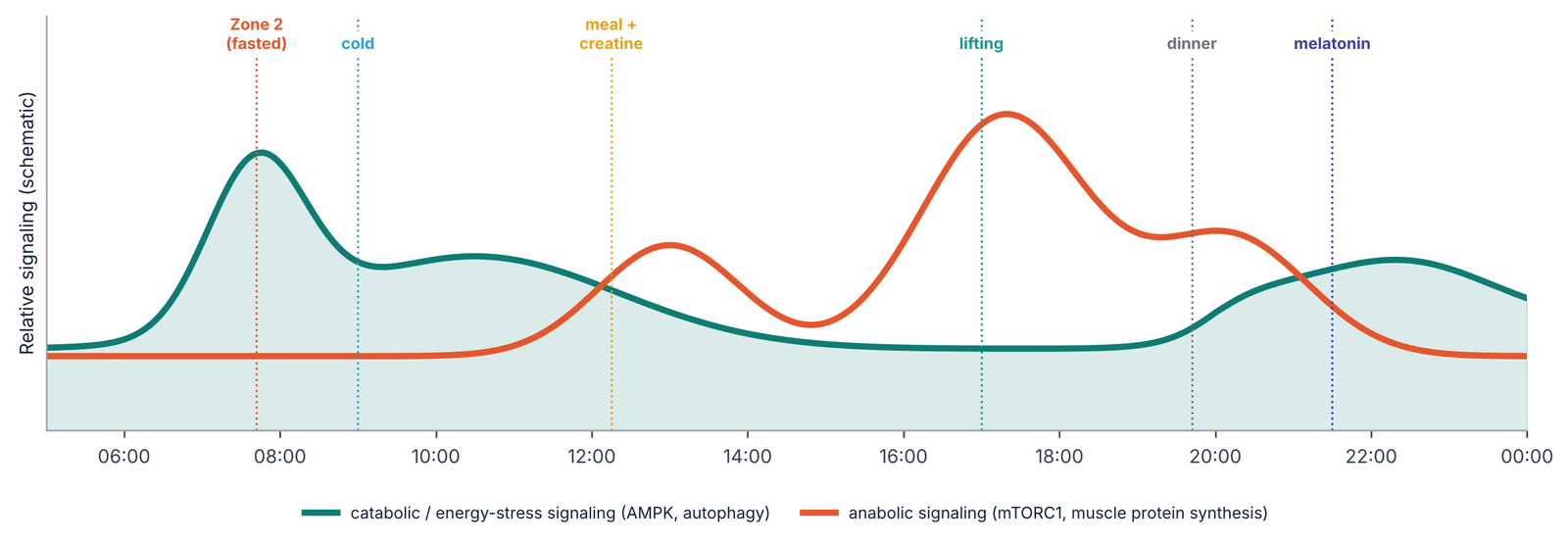
Section tenOne possible day
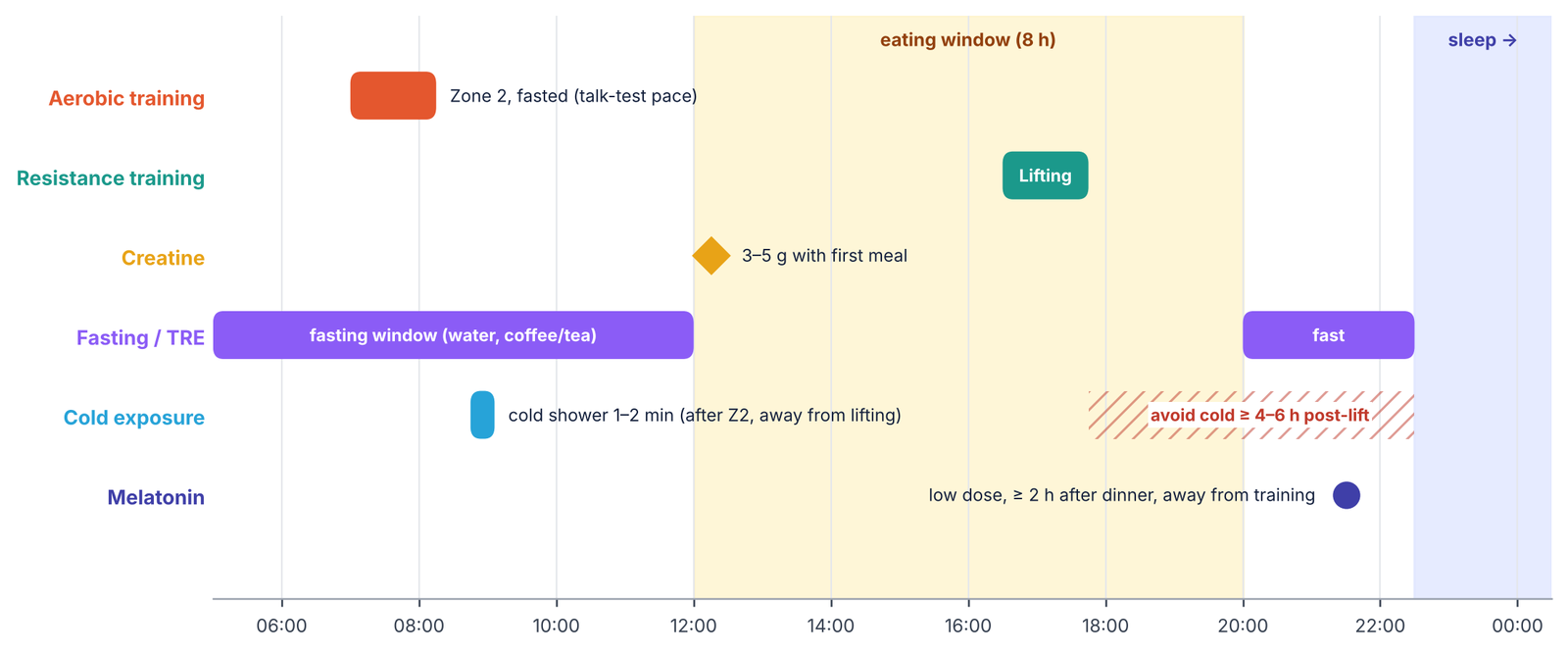
A template that applies the interaction rules: zone 2 fasted in the morning, cold well away from lifting, creatine with the first meal, lifting in the afternoon, and low-dose melatonin well after dinner. It is something to adapt, not a prescription.
Section elevenWhat this cannot settle
Most hard-outcome data are observational, so healthy-user bias applies in both directions. The mechanisms rest heavily on rodent and in vitro work. The combinations are untested: the fair summary of the combined benefit is plausible, probably partly redundant, and more sensitive to timing than to inclusion. The scorecard grades and schematics are my judgment. Individual risks (cardiovascular disease, medications, eating-disorder history, mood disorders, kidney disease) change the calculus, and a clinician who knows the person should have the final say.
The full text, with every citation and the measurement dashboard, is in the PDF.
Sources
What I verified. Each figure in the charts is transcribed from the paper or summary cited beside it, and I did not re-run any analysis. Where a chart is a schematic, the caption says so.
What I could not verify. Items marked † are cited second hand: I did not re-read the primary paper. Several entries are news or trade-press summaries used where the primary article was paywalled, so check exact figures against the primary papers before citing. The mitochondrial dose range for melatonin and the scorecard grades are judgments, not measurements.
- Mandsager K et al. Association of cardiorespiratory fitness with long-term mortality among adults undergoing exercise treadmill testing. JAMA Netw Open 2018. jamanetwork.com/journals/jama/fullarticle/2707428
- Kodama S et al. Cardiorespiratory fitness as a quantitative predictor of all-cause mortality and cardiovascular events in healthy men and women: a meta-analysis. JAMA 2009;301:2024–35. doi:10.1001/jama.2009.681
- Resistance training and mortality risk: a systematic review and meta-analysis. Am J Prev Med 2022. research.usq.edu.au/item/z02v2
- Momma H et al. Muscle-strengthening activities are associated with lower risk and mortality in major non-communicable diseases: a systematic review and meta-analysis of cohort studies. Br J Sports Med 2022.
- Candow DG et al. Creatine monohydrate supplementation for older adults and clinical populations. J Int Soc Sports Nutr 2025. doi:10.1080/15502783.2025.2534130
- Creatine and cognition in aging: a systematic review of evidence in older adults. Nutr Rev 2025. PMID 40971619.
- The effects of creatine supplementation on cognitive function in adults: a systematic review and meta-analysis. Front Nutr 2024.
- Gordji-Nejad A et al. Single dose creatine improves cognitive performance and induces changes in cerebral high energy phosphates during sleep deprivation. Sci Rep 2024.
- Kondo DG et al. Creatine target engagement with brain bioenergetics: a dose-ranging phosphorus MRS study of adolescent females with SSRI-resistant depression. Amino Acids 2016.†
- Šrámek P, Šimečková M, Janský L et al. Human physiological responses to immersion into water of different temperatures. Eur J Appl Physiol 2000. doi:10.1007/s004210050065
- Buijze GA et al. The effect of cold showering on health and work: a randomized controlled trial. PLOS ONE 2016;11:e0161749. doi:10.1371/journal.pone.0161749
- Roberts LA et al. Post-exercise cold water immersion attenuates acute anabolic signalling and long-term adaptations in muscle to strength training. J Physiol 2015;593:4285–301.
- Chondronikola M et al. Brown adipose tissue improves whole-body glucose homeostasis and insulin sensitivity in humans. Diabetes 2014;63:4089–99.
- Temperature-acclimated brown adipose tissue modulates insulin sensitivity in humans. Diabetes 2014. PMC4207391.
- Cain et al. Cold-water immersion and stress, mood and inflammation: meta-analysis of 11 RCTs. PLOS ONE 2025.†
- Mattson MP et al. Intermittent metabolic switching, neuroplasticity and brain health. Nat Rev Neurosci 2018;19:63–80. PMC5913738
- Sleiman SF et al. Exercise promotes the expression of brain derived neurotrophic factor (BDNF) through the action of the ketone body β-hydroxybutyrate. eLife 2016. elifesciences.org/articles/15092
- Fasting for 20 h does not affect exercise-induced increases in circulating BDNF in humans. J Physiol. pure.cardiffmet.ac.uk
- Time-restricted eating (early, late, self-selected) with 12-month follow-up. Clin Nutr. theeducatedpatient.com
- Liu D et al. Calorie restriction with or without time-restricted eating in weight loss. N Engl J Med 2022.
- Review of intermittent fasting versus calorie restriction on ageing-related outcomes. Nutrients. menshealth.com.au/intermittent-fasting-diets-longevity
- Nnadi E et al. Long-term melatonin use for insomnia and heart failure risk. AHA Scientific Sessions 2025, abstract MP2306 (HealthDay coverage, 6 Nov 2025).
- Timing-dependent effects of melatonin supplementation on exercise performance and exercise-induced muscle damage: systematic review and meta-analysis. Front Nutr 2026. doi:10.3389/fnut.2026.1742464
- Melatonin supplementation enhances next-day high-intensity exercise performance and recovery in trained males. J Funct Morphol Kinesiol 2025;13(6):190. mdpi.com/2075-4663/13/6/190
- Impact of melatonin supplementation on sports performance and circulating biomarkers in highly trained athletes. Nutrients 2024;16:1011. PMC11013451
- Kruk J et al. Exercise-induced oxidative stress and melatonin supplementation: current evidence. J Physiol Sci 2021;71:27.
- Exercise elicits phase shifts and acute alterations of melatonin that vary with circadian phase. Am J Physiol. pure.psu.edu
- Egan B et al. Exercise intensity-dependent regulation of PGC-1α mRNA abundance. J Physiol 2010.†
- MacInnis MJ et al. Superior mitochondrial adaptations in human skeletal muscle after interval compared to continuous single-leg cycling matched for total work. J Physiol 2017.†
- Flockhart M et al. Excessive exercise training causes mitochondrial functional impairment and decreases glucose tolerance in healthy volunteers. Cell Metab 2021.†
- El Hayek L et al. Lactate mediates the effects of exercise on learning and memory through SIRT1-dependent activation of hippocampal BDNF. J Neurosci 2019.†
- Dworak M et al. Creatine supplementation reduces sleep need and homeostatic sleep pressure in rats. J Sleep Res 2017.†
- Xie et al. Creatine promotes metastasis via megakaryocyte CKB–STAT5B signaling in mice. Nat Commun 2026.†
- Long-term change in cardiorespiratory fitness and all-cause mortality: a population-based study (VO2max measured by gas exchange). Mayo Clin Proc 2016. PMID 27444976. Also: Human brown adipose tissue: a decade later. PMC8360096.
- Barwood MJ et al. Habituation to cold-water immersion: meta-analysis. 2024.†